
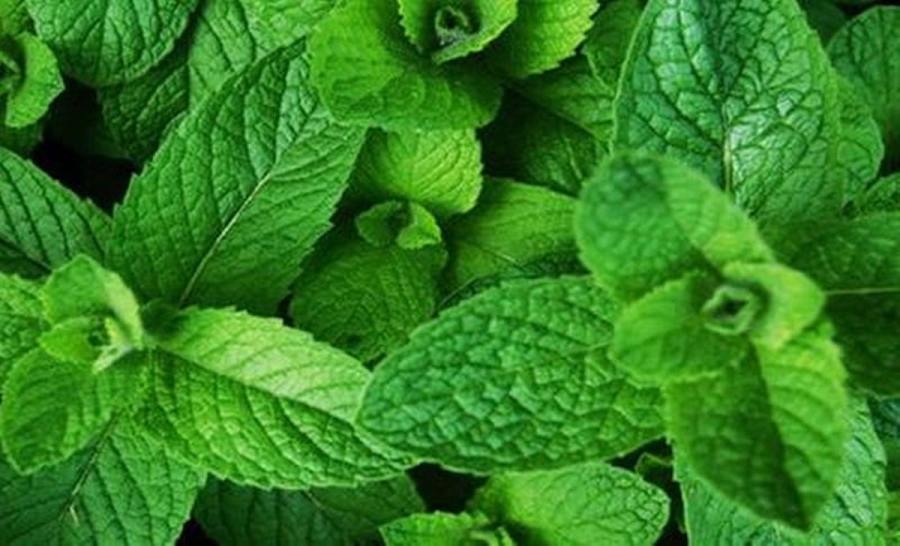
Foarte cunoscută și iubită, menta este o plantă care are multe utilizări.
Folosită atât proaspătă, cât și uscată, ajută la sănătate. Astfel, ceaiul de mentă ajută la calmarea balonării, a crampelor abdominale și a stărilor de greață. Băută ca infuzie sau inhalată sub formă de ulei esențial, desfundă căile respiratorii în timpul virozelor.
Pe de altă parte, este folosită în gastronomie și băuturi: frunzele proaspete sunt adăugate în salate, sosuri, deserturi (înghețate, creme, ciocolată) și băuturi răcoritoare. Frunzele uscate sunt folosite pe post de condiment, adăugând mâncărurilor un gust deosebit.
Uleiul de mentă este folosit în cosmetică datorită efectului răcoritor și antibacterian. Mentolul derivat din mentă este un ingredient de bază în pastele de dinți, apele de gură, șampoane și loțiuni tonice.
Alegând să cultiv mentă în propria grădină, o folosesc nu numai pentru ceai, ci după cum urmează:
- Limonadă (apă, mentă, lămâie și zahăr/ miere);
- Condiment în salate mixte, salate de fructe, în unele gemuri (ex. zmeură);
- Ingredient în ciocolată și înghețată;
- Ingredient în pasta de dinți și pentru împrospătarea respirației;
- Dulceață de mentă
1 kg zahăr
200 ml apă
300 g frunze de mentă
2 lămâi
Se face siropul din apă și zahăr, se adaugă sucul de la lămâi, apoi menta tăiată. Se fierbe cca. 30 minute. Se lasă peste noapte și se pune rece în borcane.
- Lichior de mentă
1 l de țuică
150-200 g mentă
1 lămâie
200 g miere
Într-un borcan de 2,5 l se pun în straturi, menta, feliile de lămâi și mierea, apoi se toarnă țuica. Se lasă la macerat timp de 14-20 de zile. Se agită borcanul de câteva ori pe zi. După acea perioadă, se strecoară și se pune lichiorul în sticle.
- Jeleu de mentă
Pentru că nu folosesc gelifiant, rețeta folosită este pe bază de mere.
1 kg mere tăiate în bucăți
1,5 l de apă
1 lămâie, tăiată în jumătate
25-30 g mentă proaspătă, tocată grosier
750 g zahăr
Se fierb merele, lămâia, menta și apa la foc mic până când lichidul se reduce la jumătate. După strecurare, rămân aproximativ 750 ml de lichid, care se toarnă într-un vas curat. Se adaugă zahărul și se fierbe cca. 30 de minute sau până când se atinge punctul de întărire.
!!! Chiar dacă culoarea dulceții sau a jeleului nu este tocmai verde, nu adaug coloranți.
- Repelent natural, fiind folosit între haine, pentru a ține moliile la distanță;
- Odorizant pentru covoare. În amestec cu bicarbonatul de sodiu se presară pe covor, se lasă să acționeze 15-20 de minute și apoi se aspiră;
- Infuzie pentru curățarea și lustruirea mobilei.
Pentru că menta este o plantă extrem de invazivă, se răspândește rapid și necontrolat în grădină, sufocând alte plante. Astfel, am învățat că, deși o iubesc, să îi ofer propriul loc într-o margine a grădinii.
***
Mint is a well-known and beloved plant with many uses.
Whether fresh or dried, it offers various health benefits. For example, mint tea can help relieve abdominal cramps, bloating, and nausea. When consumed as an infusion or inhaled as an essential oil, mint can also help unclog the airways during viral infections.
In addition to its health benefits, mint is popular in gastronomy and beverages. Fresh leaves can be added to salads, sauces, desserts (such as ice cream, creams, and chocolate), and soft drinks. Dried leaves serve as a spice, enhancing the flavour of dishes.
Mint oil is commonly used in cosmetics due to its refreshing and antibacterial properties. Menthol, derived from mint, is a key ingredient in toothpastes, mouthwashes, shampoos, and tonic lotions.
Choosing to grow mint in my own garden, I use it not only for tea, but as follows:
- Lemonade – Combine water, mint, lemon and sugar/honey;
- Seasoning – Add mint to mixed salads, fruit salads, and some jams (e.g. raspberry);
- An ingredient in chocolate and ice cream;
- An ingredient in homemade toothpaste;
- Mint jam
1 kg sugar
200 ml water
300 g mint leaves
2 lemons
To make the jam, create a syrup with water and sugar, then add lemon juice and chopped mint. Boil for about 30 minutes, leave overnight, and then store in jars to cool.
- Mint liqueur
1 l of brandy
150-200 g mint
1 lemon
200 g honey
Layer mint, lemon slices, and honey in a 2.5-litre jar, then pour in the brandy. Let it macerate for 14-20 days, shaking the jar several times each day. Afterwards, strain the mixture and bottle the liqueur.
- Mint jelly
For this, I don’t use a gelling agent; instead, I base the recipe on apples.- 1 kg apples, cut into pieces
- 1.5 L of water
- 1 lemon, cut in half
- 25-30 g fresh mint, coarsely chopped
- 750 g sugar
Simmer the apples, lemon, mint, and water over low heat until the liquid reduces by half. After straining, around 750 ml of liquid should remain. Add the sugar to this liquid and boil for about 30 minutes or until the hardening point is reached.
!!! Even if the color of the jam or jelly is not exactly green, I do not add coloring.
- Natural repellent, used between clothes to keep moths away;
- Carpet freshener. Mixed with baking soda, sprinkle on the carpet, leave to act for 15-20 minutes and vacuum;
- Infusion for cleaning and polishing furniture.
Because mint is a highly invasive plant, it spreads quickly and uncontrollably in the garden, choking out other plants. Thus, I learned that, although I love it, I should give it its own place in a corner of the garden.
Love, Manuela
Copyright © 2016-2026 manuela@inalove.world
Image: Peakpx
 In a Love World